THE POWER OF THE CHURCH GARDENS
Once upon a time, there were two sandy plains on either side of the Jeruzalemkerk, where, apart from some strict prickly bushes, nothing could grow.
Until 15 years ago, the artist couple Theun and Cocky took the initiative to create an edible garden there. With native plants and shrubs, and according to the principles of permaculture.
After years of ‘labour of love’ by them and other volunteers, the barren sandboxes transformed into two lush and resilient ecosystems.
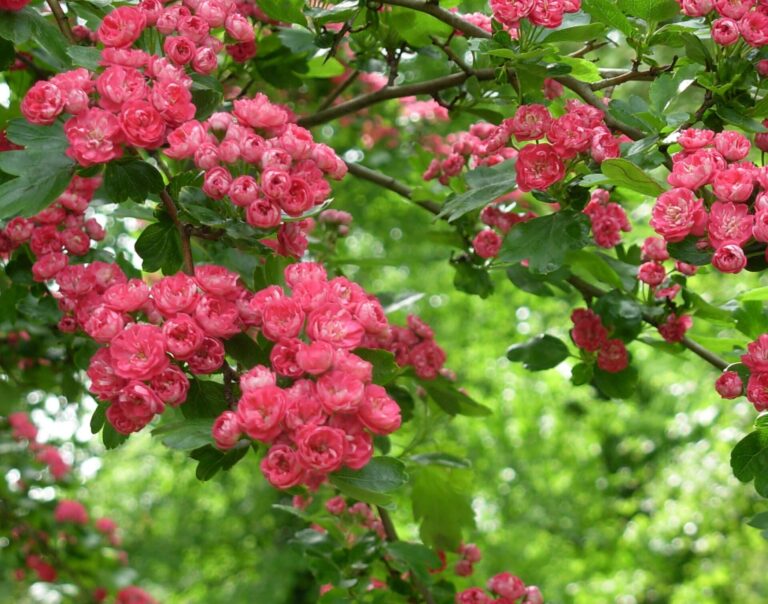
More than 60 different types of plants, trees and shrubs can currently be found here. Almost everything is edible and even beneficial. Bees, bumblebees, birds, bats and many other animals find their food and a safe shelter here.
LONG LIVE STINGING NETTLE!
In these “heemtuinen” – wildlife gardens – you will find almost exclusively native plants and flowers. Here is the current list of flora in the gardens.
The main reason for choosing native plants is that the bees, bumblebees and other insects – which we aim to support and protect – are completely attuned to these native plants – and vice versa! Tens of thousands of years of evolution preceded this. The pollen of native flowers is collected most efficiently: it costs the insects minimal energy to collect the most pollen.
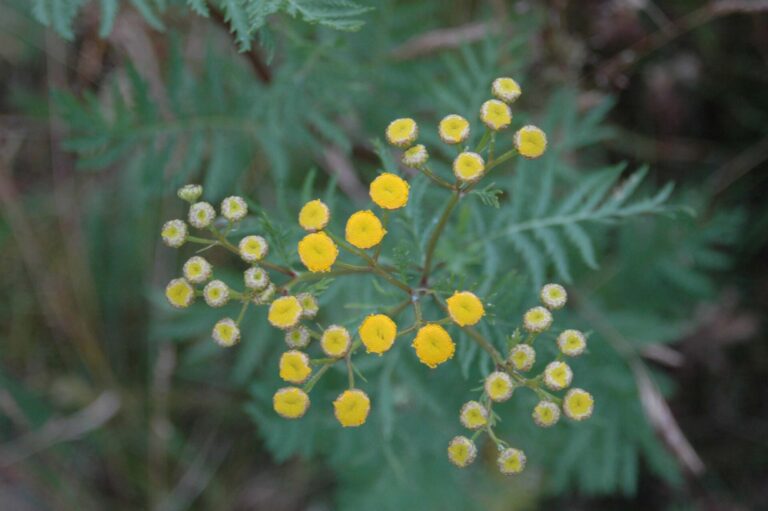
Allowing the plants to grow where they want to grow as much as possible, means that we give the soil itself the chance to bring, and keep, itself in balance. For example, is the soil polluted or acidified? The nettle and blackberry will happily do something about that. (In addition, the nettle is an ideal butterfly nursery!)
USING GARDEN WASTE
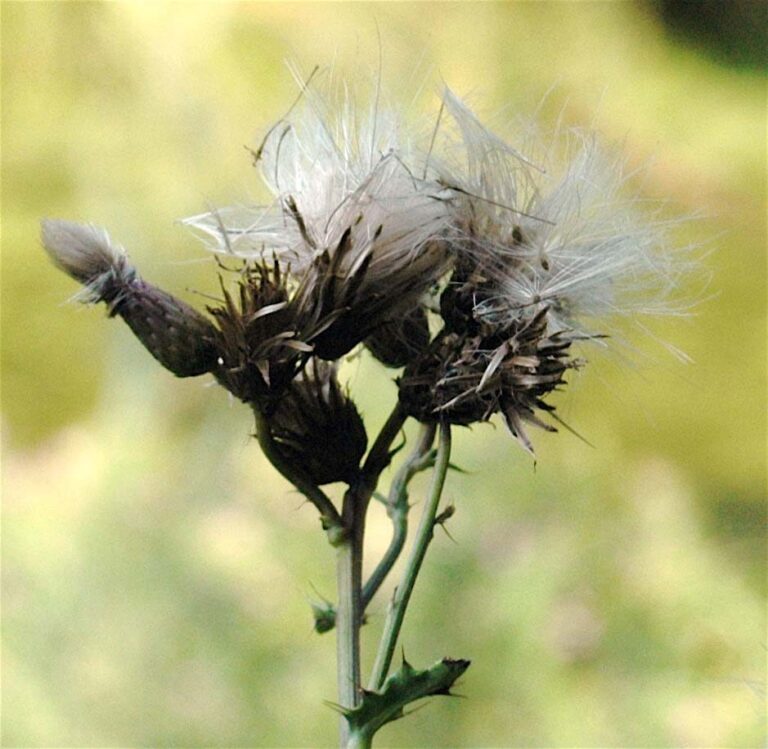
The goal is a garden that maintains itself as much as possible, with minimal help from us and without the use of pesticides and artificial fertilizers. This depends on a healthy, nutrient-rich soil. Weeded plants, dry twigs, roots and leaves are therefore put back on the ground. In this way, the soil is protected against drying out and heat from the sun, but also against the cold. Proliferators such as ground elder and diseases caused by parasites can rear their heads less easily and the soil is fed with new material. All the small, mostly invisible to us, animal life also finds a safe shelter there.
In order to promote this resilience and self-reliance of the garden, water is rarely given during dry periods – only to the new plants, which still have to develop their roots.
THE MORE FLAVOURS, THE BETTER
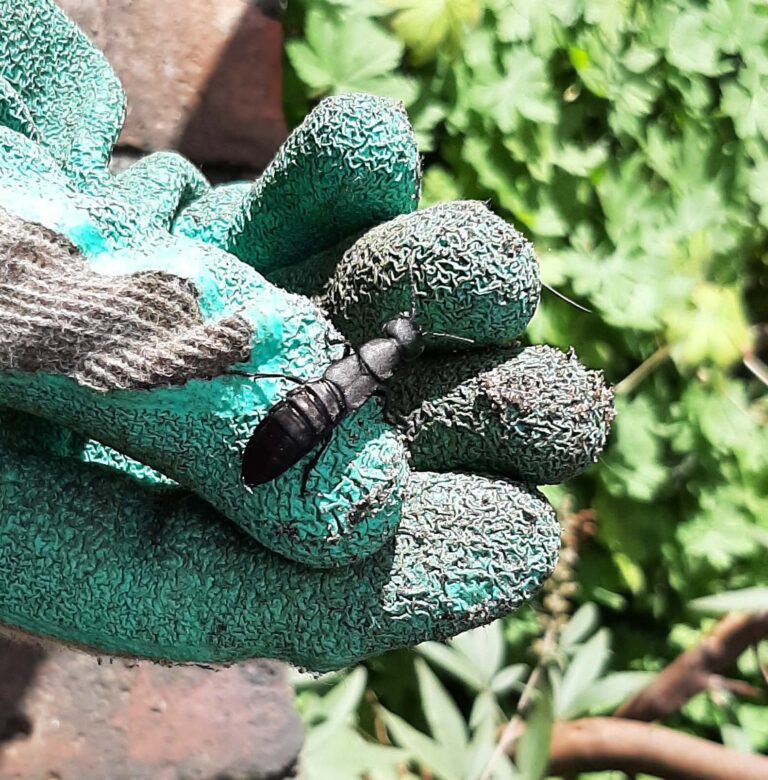
The more different plants and flowers grow, the more resilient the garden can become. If a plant species is struggling due to parasites, disease, or drought, there are plenty of others that are still doing fine.
The soil also benefits greatly from a diverse flora. We can see that this is going well here from the many worms, centipedes, and other life forms underground. Moreover, we discovered a mushroom during our latest garden day! If anything is a good sign of a happy soil, a mushroom is just that.